Indigenous Sustainability Solutions in the Amazon
My journey into the Amazon Rainforest with ASU Global Education.
20 students, all strangers, all from a different home, a different family, different cultures and upbringings. All with a common passion of learning new cultures. The Waorani and Kichwa people invited us not only into their homes and land, but their stories.
"We Will Be Jaguars"
Our introduction to this story began with another story. The book "We Will Be Jaguars" by Mitch Anderson and Nemonte Nenquimo. A story starting with a young Waorani girl, curious about the missionaries and churches and gifts being brought into her village. And ending with a strong Waorani leader who advocates for her people and the forest.
My eyes opened from this book, watching the innocent curiosity of young Nemonte transforming into the harsh reality many indigenous people experience today.
The Ceibo Tree
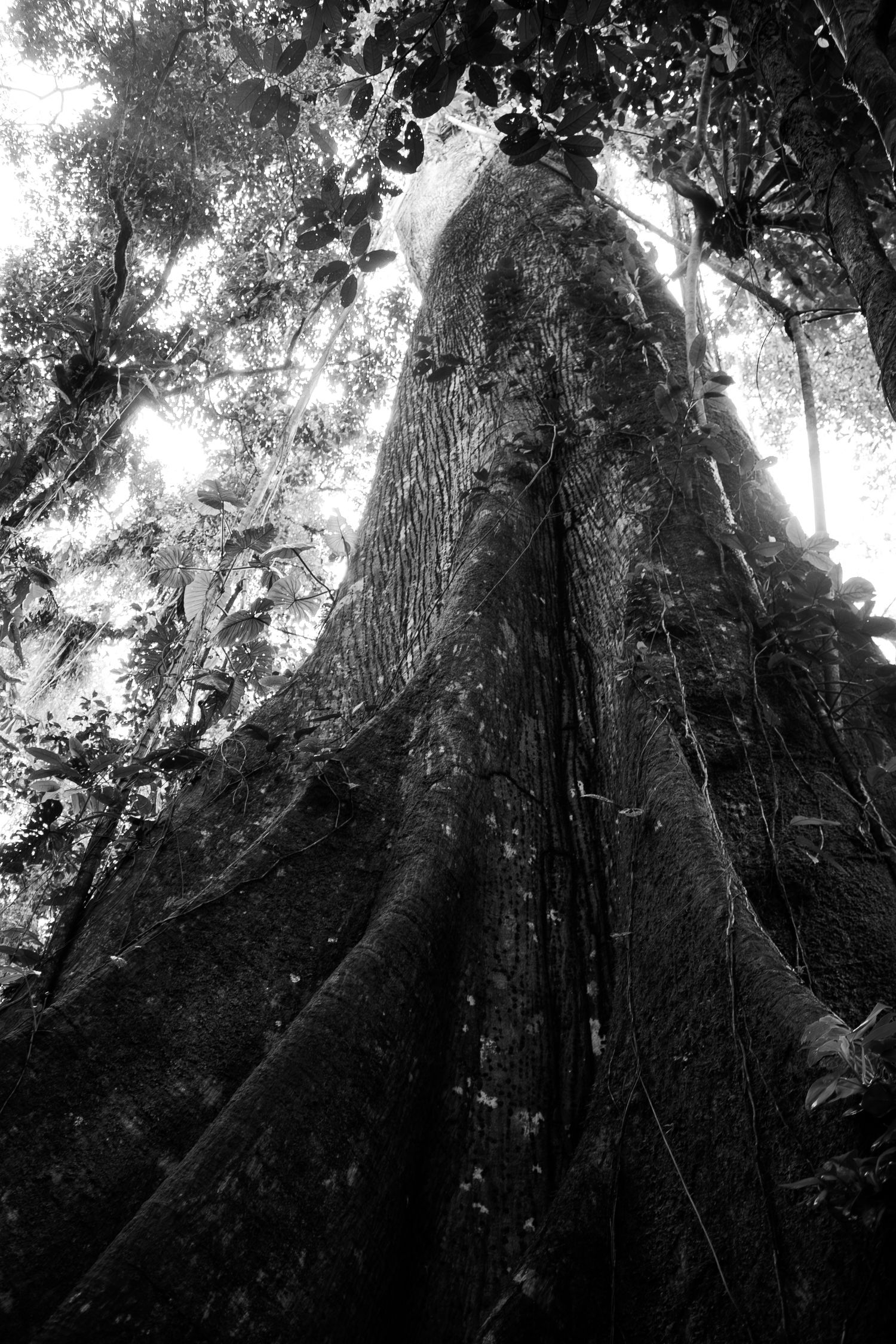
Known as the “tree of life” or “bell” of the forest. Growing to more than 200 feet tall, these trees are important to the Waorani community in many ways.
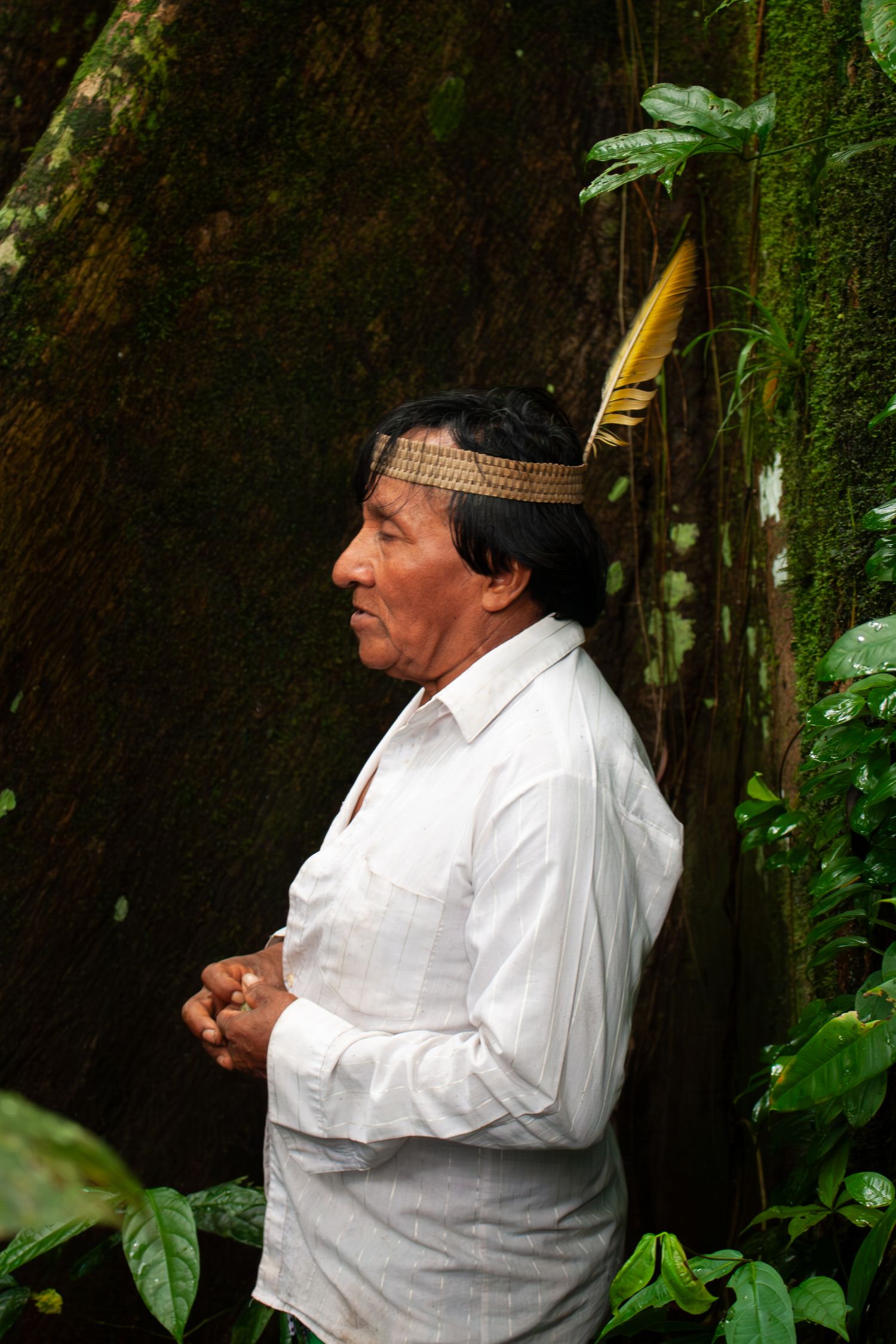
By kicking and pounding on the hollow roots and trunk of this tree, a loud low frequency noise travels through the forest, acting as a communication system for the Waorani people. when lost in the dense forest this sound can be used to locate the lost person or child. If they are still lost overnight, they will sleep nestled into the trunk until found. The first photo is from a demonstration of a song which is in sung in celebration when the lost are found.
Generations
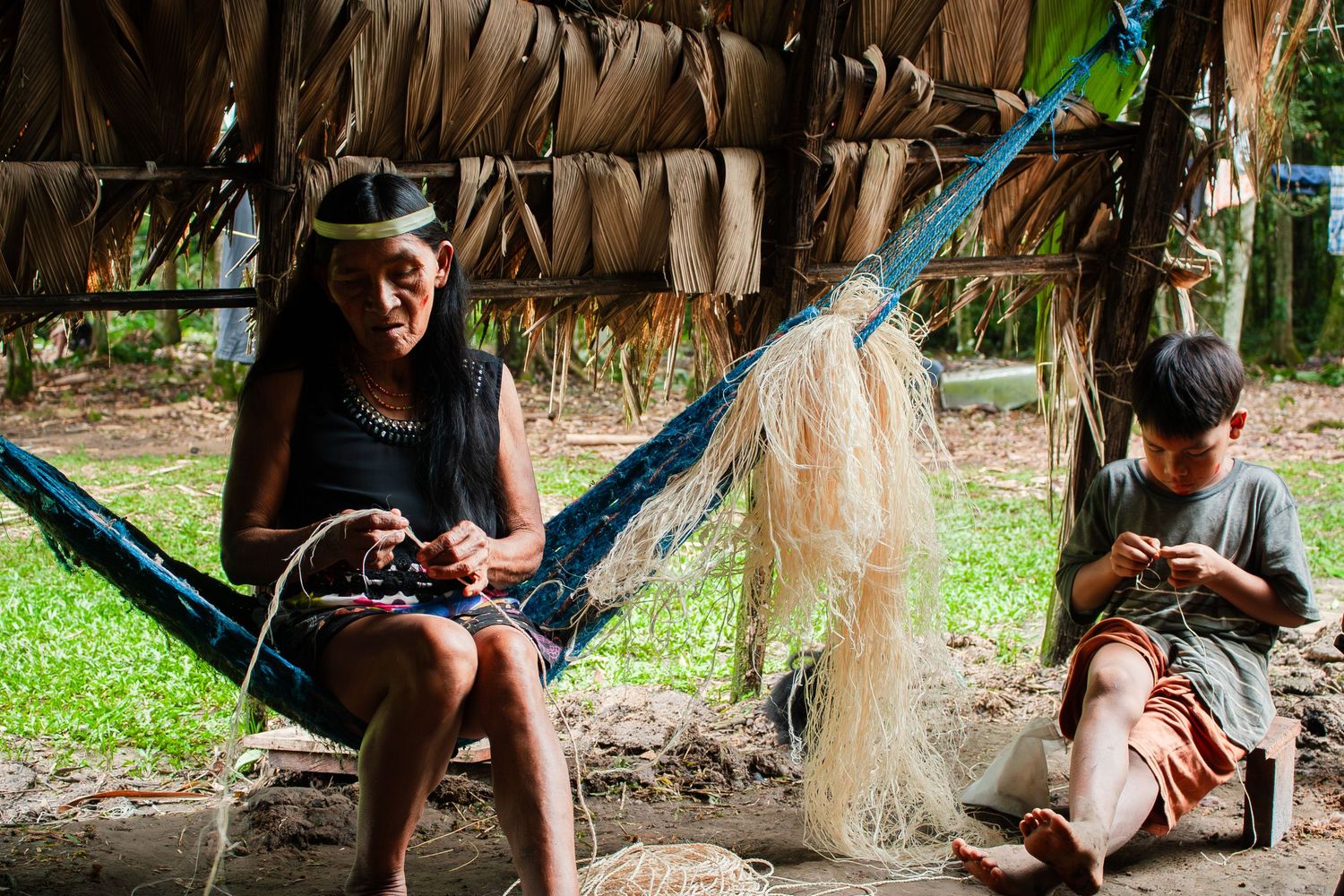
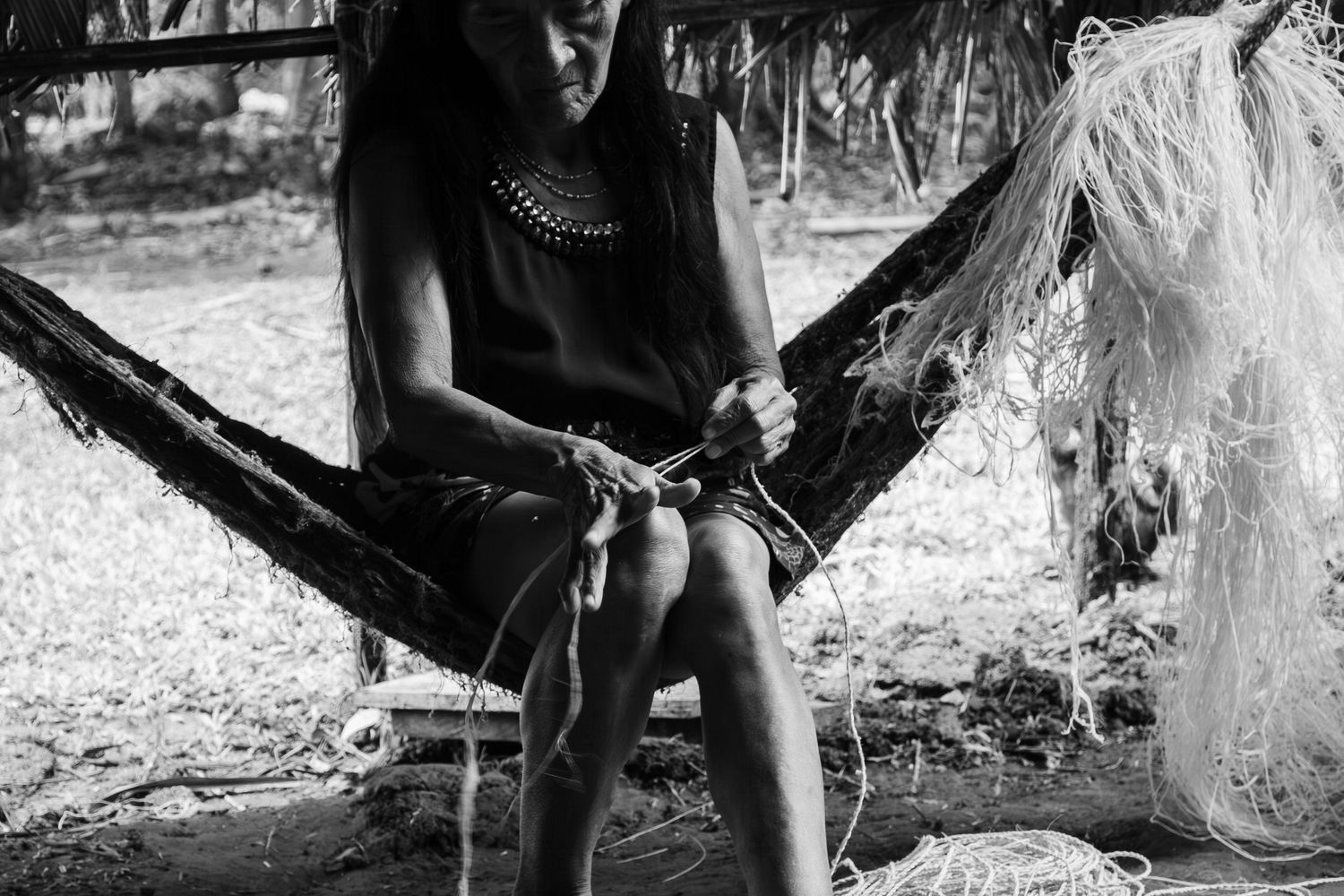
The traditional weaving of the Chambira Palm. Dried into a fiber and hand twisted into twine, finally woven into a range of items. From bracelets to bags, hammocks, and fishing nets. This knowledge and tradition has been passed through generations of the Waorani people, learned from aunts, mothers, and grandmothers over years of observation.
The Canoe
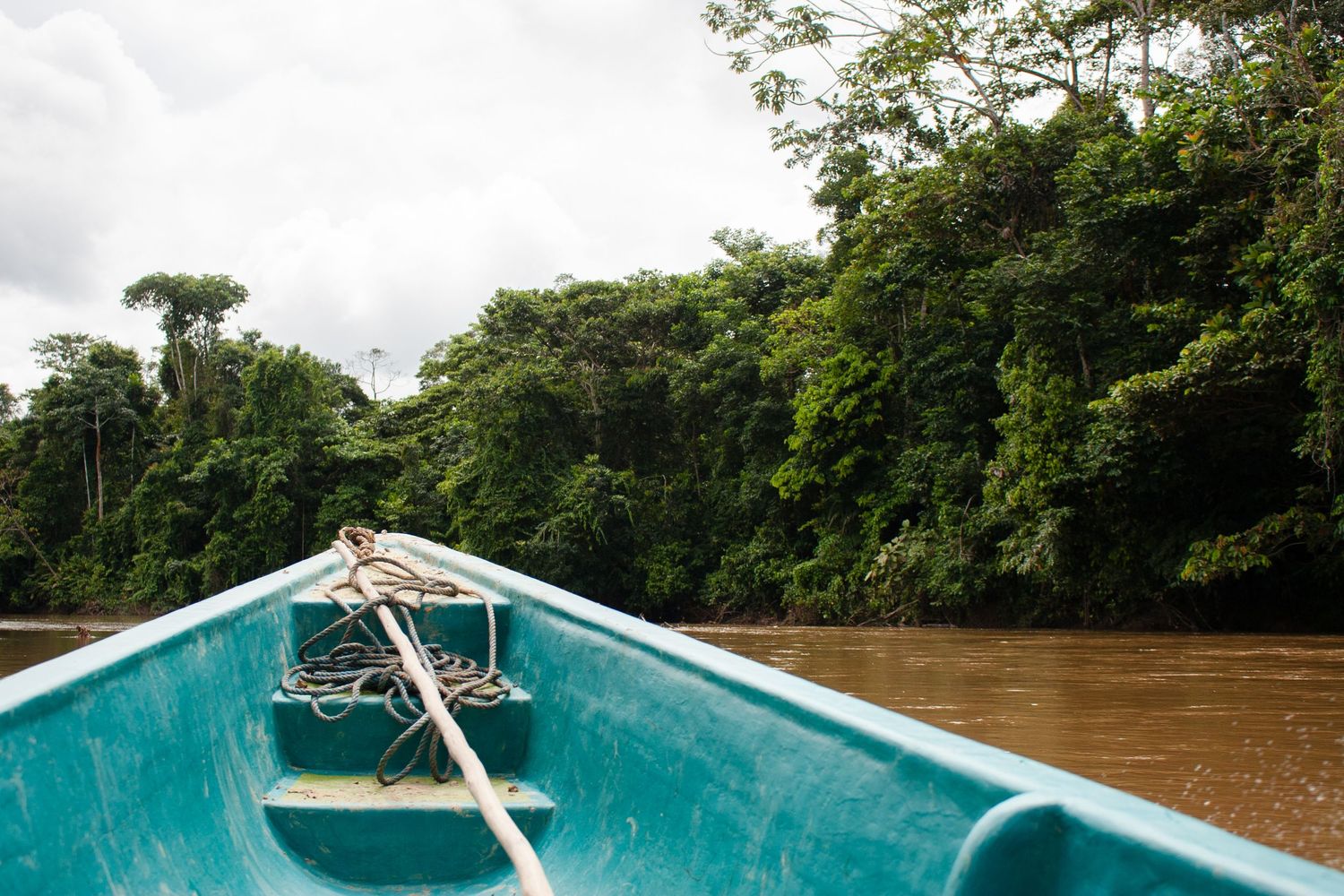
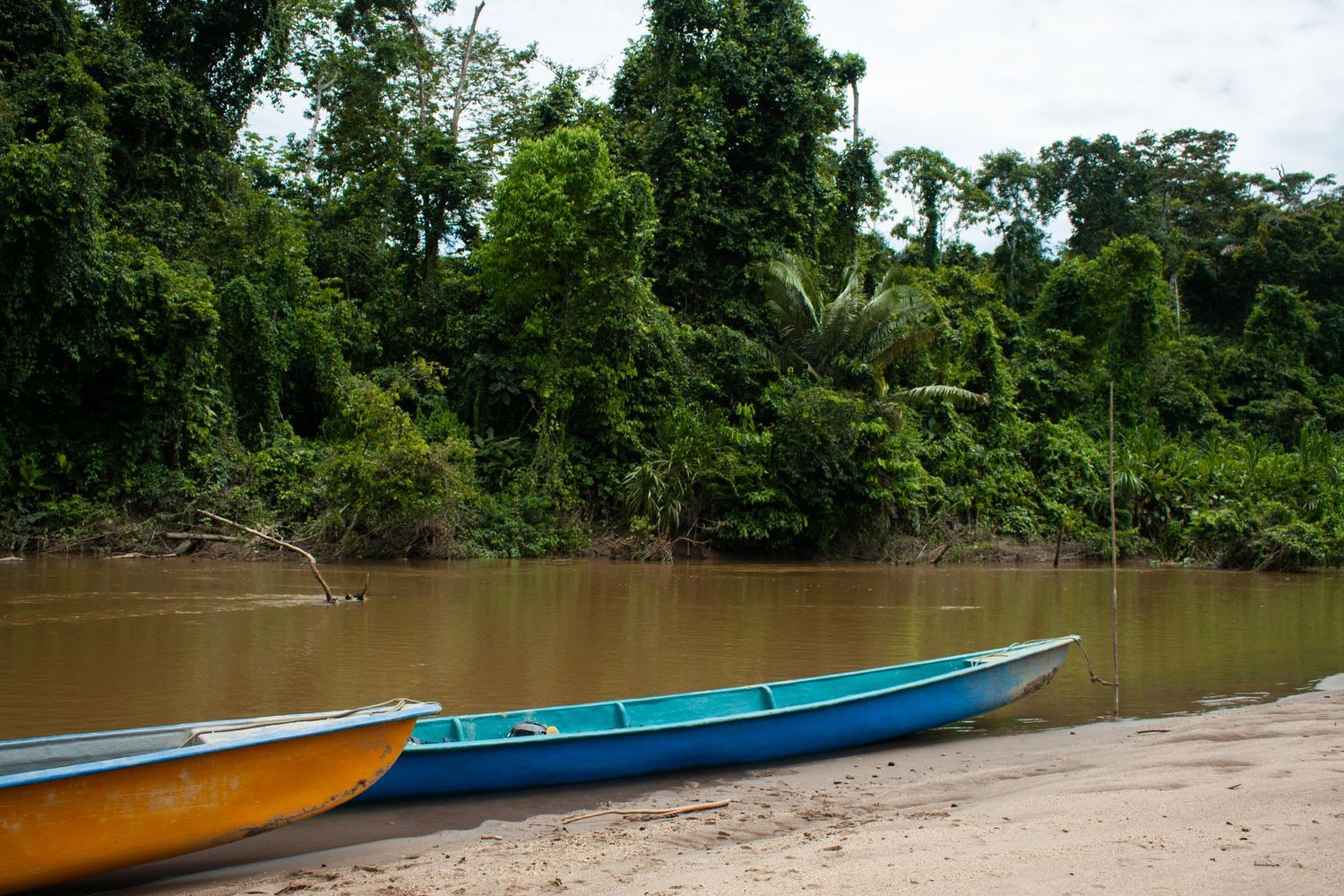
The only form of transportation in a place with no roads. A 7 hour ride into the forest, hearing only the gas powered hum of the motor. Currently, Professor David Manuel-Navarrete has been working along side the local indigenous communities to build sustainable solar powered canoes. This project hopes to reduce the need for expensive gas, cut pollution, and protect the forest, while bringing new opportunities to the communities within the amazon.